Category Archives: Geen categorie

Michelin Guide Belgium & Luxembourg  2025: A Critical Analysis

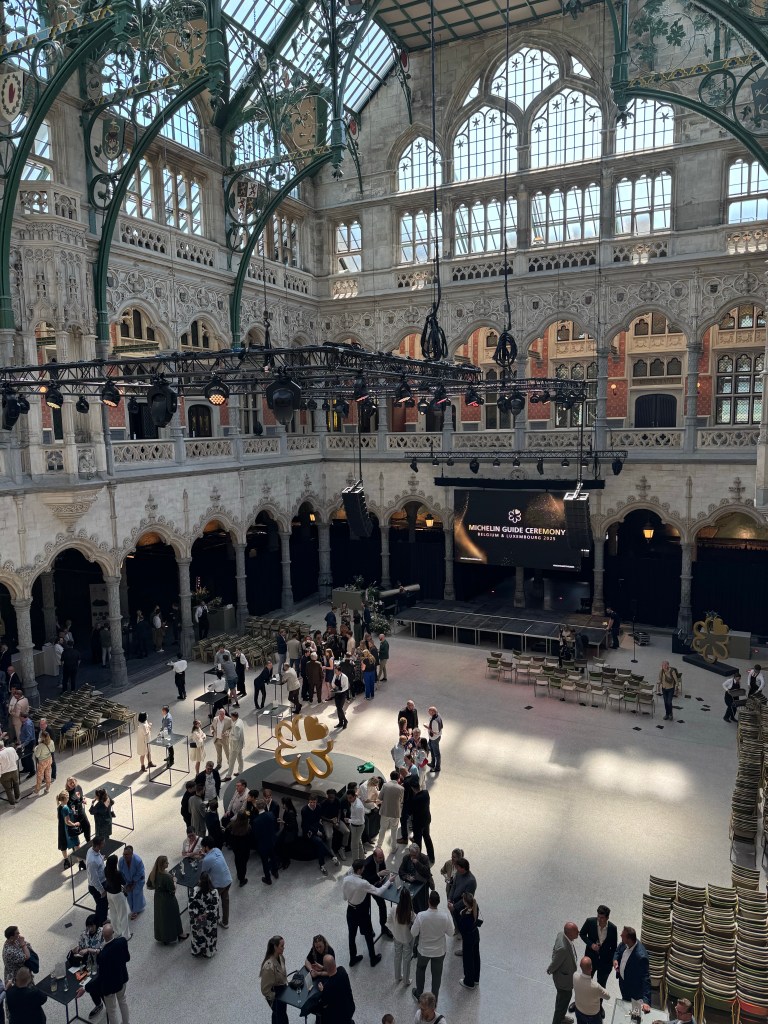
The Michelin Guide has once again graced the culinary world with its 2025 edition for Belgium and Luxembourg. The annual unveiling, held at the Handelsbeurs in Antwerp, was, as always, a grand affair, celebrating the pinnacle of gastronomy in the region. This event is a yearly highlight for the culinary world, a unique opportunity to see so many familiar and respected faces from Belgium and Luxembourg. It’s also a crucial moment to take the pulse of the industry. Conversations with chefs, photographers, and journalists provided valuable insights into current trends and how the Michelin Guide, the Red (digital) Bible of good food, is perceived.

This edition features 790 restaurants, with 151 boasting at least one Michelin star. The big winners were Restaurant Léa Linster and Maison Colette, both awarded two stars. Thirteen restaurants received their first star, and three were recognized with the Green Michelin Star for their commitment to sustainable gastronomy. However, according to the inspectors, no restaurant was deemed worthy of a third star, though the two existing three-star establishments, Boury and ‘t Zilte, retained their highest honors.

Reflecting on the day, several key observations emerge.

A Year of “Forgotten Treasures” at a time when the industry is struggling the most?

When considering the “net” number of stars awarded—that is, setting aside those resulting from chefs moving or opening new restaurants—the figures reveal a somewhat less impressive picture: nine new one-star restaurants and only one new two-star restaurant. This hardly qualifies as a vintage year. 

One might even argue that 2025 will be remembered as the year of “forgotten treasures,” with a painfully high number of chefs deserving of a first or even a second star but “forgotten” by Michelin. Given the very though conditions the industry is facing after the COVID years, with exponentially rising rents, labor and produce costs not to mention the significantly lower number of bookings, the question should be asked if the guide shouldn’t have had a more lenient approach. A lot of chefs do not only put their heart and soul in their restaurant, but they also invest a lot of money into their businesses. Based on this economic reality and with the announced future closure of La Durée and the departure of Ralf Berendsen from La Butte aux Bois, the Guide will lose another two 2 star restaurants over the coming months…it would have been nice if Michelin would have gone for “let’s already award the first or second one” rather than the “not just yet, let’s see next year” for a number of highly deserving restaurants, thus giving the industry a proverbial pat on the shoulder. Focusing on sustainability and giving out green stars is nice, but maybe there are more urgent problems to address…how can Michelin help to make sure that restaurants can survive…otherwise there could soon be significantly less restaurants to give (green) stars to…

The Rise of Young Chefs: A Double-Edged Sword?

The guide’s focus on young chefs is a notable trend. While it highlights fresh talent, a critical question arises: In an industry already struggling with staff shortages, is this truly a positive development? Many experienced chefs feel frustrated after investing time and effort in training young talents, only to see them leave to open their own restaurants after, sometimes, a very short period of time. Gone seem the days that a young talent would patiently work through the ranks to become sous-chef before opening his/her own restaurant. This trend, potentially exacerbated by the Michelin Guide’s very early recognition of young talents, raises concerns about talent retention and the long-term stability of established kitchens.

Increasing Inconsistencies Within the One-Star Category

Another significant observation is the growing disparity in level of cooking among one-star restaurants. This inconsistency is increasingly difficult to ignore, especially given Michelin’s reluctance to downgrade establishments. A restaurant typically only loses a star when it closes or when the chef leaves. The reluctance to take away a star often leads to situations that can be quite painful due to big differences in quality within the one-star category. It might sound ironic, but one could almost say that a system of sub-categories, 1.1, 1.2, and 1.3 stars, might be necessary to provide a more accurate reflection of the dining experience…and to avoid customer disappointment 😉 

…and Across Borders

It also become increasingly clear that an even bigger inconsistency can be observed when looking at the Michelin ratings across borders. Not only do you see significant differences in culinary focus, with food trucks, gastropubs, ramen bars and other informal places getting awarded stars in some countries whereas in our region the main point of attention seems to be classical French cooking with a sweat spot for great sauce makers and restaurants that continue to serve à la carte dishes, inequalities in social security and taxation compared to some other competing countries, such as France, also create an uneven playing field. Having a big team is easier in some of our neighboring countries. 

Time to Broaden the Horizon?

Cultural differences can explain part of this but that only goes so far. I would even say more…is it not time for Michelin in our region to also consider other types of top gastronomy, like places serving only desserts or pastries, or a top chocolate or ice cream maker? We have lots of talented people doing really high end stuff in those professions, inherently close to fine dining.

Michelin vs. The Foodie Community

If you want to rule out inconsistencies, you might want to follow some leading foodies. A foodie’s perspective is inherently personal and unique, evaluating each meal through his/her own lens, shaped by individual preferences, and past experiences. This highly individual approach could be seen as a guarantee of consistency, at least in the sense that the foodie’s evaluation remains true to their own subjective experience. However, this also raises a key question: Whose perspective is more valuable? The professionally trained inspector, or the passionate amateur who has a unique relationship with food? The solution probably lies in combining both…using the Michelin Guide as the undisputed reference it still is, combined with the insights of your favorite foodie(s).

Points for Consideration 

Reflecting on the Michelin Guide Belgium & Luxembourg 2025, it’s clear that while stars continue to shine, the human element behind them warrants greater consideration. The challenges of staff retention, rising costs, and the very survival of restaurants in this climate are significant factors that perhaps deserve a more prominent place in the guide’s narrative. While the pursuit of culinary perfection remains paramount, a more “human-oriented” perspective, acknowledging the dedication and resilience of chefs and their teams, could further enhance the guide’s value.

Moving forward, a broader definition of gastronomic excellence and a deeper engagement with the realities faced by the industry could ensure that the Michelin Guide not only celebrates the best but also actively contributes to a sustainable and vibrant future for Belgium and Luxembourg’s rich culinary heritage.

Last but not least I have the feeling that Belgium is being penalised by the abundance of culinary talent which clearly puts a break on the number of new stars awarded, this is only made worse by the Guide’s persistant reluctance to take away stars form underperforming restaurants…and that….could be linked to another topic, the one of the number of inspectors covering the region and the number of inspections performed on a yearly basis….but that, my friends, is the perfect subject for a next post…
Guide Michelin Belgique & Luxembourg 2025 : Une Analyse Critique

Le Guide Michelin a une fois de plus réuni le monde culinaire à l’occasion de la présentation de son édition 2025 pour la Belgique et le Luxembourg. La cérémonie annuelle, qui s’est déroulée dans le magnifique cadre de la Bourse d’Anvers, fut, comme à son habitude, un événement de prestige mettant en lumière le sommet de la gastronomie de la région. Ce rendez-vous est un moment phare de l’année, une occasion par excellence de retrouver tant de visages familiers et respectés de la scène culinaire belge et luxembourgeoise.

C’est également un instant opportun pour prendre la température du secteur. Les échanges avec les chefs, les photographes et les journalistes ont apporté des visions précieuses sur les tendances actuelles et sur la perception du Guide Michelin, cette Bible rouge (désormais digitale) de la bonne chère.

Cette édition recense 790 restaurants, dont 151 arborent au moins une étoile Michelin. Les grands lauréats sont le Restaurant Léa Linster et la Maison Colette, tous deux récompensés de deux étoiles. Treize établissements ont décroché leur première étoile, et trois ont été distingués par l’Étoile Verte Michelin pour leur engagement en faveur d’une gastronomie durable. Cependant, selon les inspecteurs, aucun restaurant n’a été jugé digne d’une troisième étoile, bien que les deux tables triplement étoilées existantes, Boury et ‘t Zilte, aient conservé leur distinction suprême.

Comment interpréter ce palmarès et cette journée ? Quelques constats s’imposent :

Une Année ” d’Occasions Ratées” dans un environment rempli de défis?

Si l’on considère le nombre “net” d’étoiles attribuées – c’est-à-dire en excluant celles résultant de déménagements de chefs ou d’ouvertures de nouveaux restaurants par des chefs précédemment étoilés – les bilan se relève moins reluisant : neuf nouveaux restaurants une étoile et un seul nouveau deux étoiles.

Difficile de parler d’un millésime exceptionnel. J’oserais même affirmer que 2025 restera comme l’année des “occasions manquées”, avec un nombre étonnamment élevé de chefs qui auraient mérité une première, voire une deuxième étoile, mais qui ont été “oubliés” par Michelin.

Compte tenu des conditions très ardues auxquelles le secteur est confronté après les années COVID, avec des loyers, des coûts de main-d’œuvre et de matières premières en flèche, sans parler de la baisse des réservations, il est légitime de se demander si le guide n’aurait pas dû adopter une approche plus souple.

Nombre de chefs investissent corps et âme dans leur restaurant, sans compter les sommes considérables qu’ils engagent dans leur entreprise.

Au regard de cette réalité économique et avec l’annonce de la fermeture prochaine de La Durée et le départ imminent de Ralf Berendsen de La Butte aux Bois, qui vont faire perdre au guide deux autres restaurants deux étoiles dans les mois à venir, on peut parler d’une occasion manquée.

N’aurait-il pas été judicieux que Michelin opte davantage pour un “accordons déjà la première ou la deuxième” plutôt que pour un “pas encore, on verra l’année prochaine”, offrant ainsi une forme de soutien moral bienvenu au secteur ?

Mettre l’accent sur la durabilité et attribuer des étoiles vertes est louable, mais peut-être y a-t-il des problèmes plus urgents qui préoccupent les chefs aujourd’hui, et un coup de pouce supplémentaire aurait été plus que la bienvenue. La question qui se pose est donc : Michelin peut-il contribuer à assurer la survie des restaurants afin qu’il y ait encore des établissements de qualité à qui attribuer des étoiles (vertes) demain ? Est-ce une attente légitime envers le Guide Rouge ?

La Consécration de Chefs Toujours Plus Jeunes : À Double Tranchant ?

La focalisation du guide sur des chefs de plus en plus jeunes est une évolution notable. Si elle met en lumière les jeunes talents, une question cruciale se pose : dans un secteur déjà confronté à des pénuries de personnel, est-ce réellement une évolution positive ? De nombreux chefs plus expérimentés se sentent frustrés, investissant beaucoup de temps et d’efforts dans la formation de jeunes talents pour les voir ensuite partir ouvrir leur propre restaurant après une période parfois très courte. L’époque où un jeune talent gravissait patiemment les échelons pour devenir sous-chef avant d’ouvrir son propre établissement semble révolue. Cette tendance, potentiellement exacerbée par la reconnaissance très précoce des jeunes talents par le Guide Michelin, soulève des inquiétudes quant à la fidélisation des talents et à la stabilité à long terme des cuisines établies.

Des Incohérences Croissantes au Sein de la Catégorie Une Étoile

Une autre observation significative est la disparité croissante de niveau entre les restaurants une étoile. Les différences sont de plus en plus difficiles à ignorer, surtout compte tenu de la réticence de Michelin à rétrograder des établissements.

Un restaurant ne perd généralement une étoile que lorsqu’il ferme ou lorsque le chef s’en va. Cette hésitation à retirer une étoile conduit de plus en plus à des situations qui peuvent être assez délicates. Cela pourrait paraître ironique, mais on pourrait presque dire qu’un système de sous-catégories, 1.1, 1.2 et 1.3 étoiles, pourrait être nécessaire pour donner une image plus fidèle de l’expérience culinaire… et pour éviter la déception des clients 😉

…Et Au-Delà des Frontières

Le même constat s’impose en examinant les notations Michelin au-delà de nos frontières. On observe de grandes différences dans la vision de la cuisine, où des food trucks, des gastropubs, des bars à ramen et d’autres lieux informels obtiennent des étoiles dans certains pays, tandis que dans notre région, l’accent semble mis sur la cuisine française classique avec une préférence pour les grands sauciers et les restaurants qui continuent à proposer des plats à la carte.

Enfin, il existe également des inégalités en matière de sécurité sociale et de fiscalité, comme par exemple avec la France, ce qui crée un déséquilibre et donc un défi supplémentaire pour nos restaurants et nos chefs.

Est-il Temps d’Élargir l’Horizon ?

Les différences culturelles peuvent expliquer une partie des disparités entre les pays, mais cela a ses limites. J’irais même plus loin… n’est-il pas temps que Michelin, dans notre région, mette également en lumière d’autres formes de haute gastronomie, comme les établissements proposant uniquement des desserts ou des pâtisseries, ou un grand chocolatier ou glacier ? Nous avons de nombreux artisans talentueux qui font un travail remarquable et qui ont certainement des points communs avec les tables étoilées traditionnelles.

Michelin vs. La Communauté des Foodies

Si l’on souhaite éviter les incohérences géographiques et qualitatives, il peut être judicieux de suivre quelques foodies influents. Le point de vue d’un foodie est intrinsèquement personnel et unique, chaque repas étant évalué à travers son propre prisme, façonné par ses préférences individuelles et ses expériences passées.

Cette approche très individuelle pourrait être considérée comme une garantie de cohérence, du moins dans le sens où l’évaluation du foodie reste fidèle à sa propre expérience subjective. Une fois que l’on a cerné le style et les préférences d’un foodie, on peut parfaitement sentir si cette personne et vous avez les mêmes goûts. Les recommandations de ce foodie devraient alors presque toujours vous séduire.

Cela soulève cependant une question cruciale : quel point de vue a le plus de valeur ? Celui de l’inspecteur professionnellement formé, ou celui de l’amateur passionné qui entretient une relation unique avec la nourriture ? La réponse réside probablement dans la combinaison des deux… utiliser le Guide Michelin comme la référence incontestée qu’il est toujours, combiné avec les éclairages de vos foodies préférés.

En guise de conclusion :

En revenant sur le Guide Michelin Belgique & Luxembourg 2025, il est évident que si les étoiles continuent de briller, l’humain derrière elles mérite une attention accrue. Les défis du maintien du personnel, la hausse des coûts et la survie même des restaurants dans le climat actuel sont des facteurs importants qui mériteraient peut-être une place plus importante dans le récit du guide.

Bien que la quête de la perfection culinaire reste primordiale, une approche plus “humaine”, reconnaissant le dévouement et la résilience des chefs et de leurs équipes, pourrait renforcer la valeur du guide. Le simple fait d’avoir déjà de très bonnes adresses dans notre région ne devrait pas freiner l’attribution de nouvelles étoiles. Quant à la réévaluation critique de certaines étoiles, un peu plus de dynamisme serait le bienvenu.

N’est-il pas grand temps d’adopter une définition plus large de l’excellence gastronomique et de s’engager davantage dans la réalité quotidienne à laquelle le secteur est confronté ? Nous aurions ainsi un Guide Michelin qui non seulement récompense les meilleurs, mais qui contribue également activement à un avenir durable et équilibré pour le riche patrimoine culinaire de la Belgique et du Luxembourg.

À l’année prochaine !

Michelin Gids België & Luxemburg 2025: Een Kritische Analyse

De Michelin Gids heeft de culinaire wereld opnieuw verenigd voor de bekendmaking van zijn editie  2025 voor België en Luxemburg. De jaarlijkse onthulling, gehouden in de prachtige Handelsbeurs in Antwerpen, was zoals altijd een groots gebeuren, dat de top van de gastronomie in de spotlights plaatste. Dit evenement is een jaarlijks hoogtepunt voor de culinaire wereld, een perfecte gelegenheid om zoveel bekende en gerespecteerde gezichten uit België en Luxemburg terug te zien. Het is ook een uitgelezen moment om de vinger aan de pols van de sector te leggen. Gesprekken met chefs, fotografen en journalisten leverden waardevolle inzichten op in de huidige trends en hoe de Michelin Gids, de Rode (digitale) Bijbel van het goede eten, wordt ervaren.

Deze editie telt 790 restaurants, waarvan 151 minstens één Michelinster hebben. De grote winnaars waren Restaurant Léa Linster en Maison Colette, die beide twee sterren kregen. Dertien restaurants ontvingen hun eerste ster en drie werden erkend met de Groene Michelin Ster voor hun inzet voor duurzame gastronomie. Volgens de inspecteurs werd echter geen enkel restaurant waardig geacht voor een derde ster, hoewel de twee bestaande driesterrenrestaurants, Boury en ‘t Zilte, hun hoogste onderscheiding behielden.

Hoe kijk ik terug naar het palmares en deze dag? Een aantal vaststellingen : 

Een Jaar van “Gemiste Kansen” in een tijd waarin de sector het erg zwaar heeft

Wanneer het “netto” aantal toegekende sterren wordt bekeken – dat wil zeggen, de sterren buiten beschouwing latend van chefs die verhuisd zijn of een nieuw restaurants hebben geopend – dan schetsen de cijfers een ietwat minder rooskleurig beeld: negen nieuwe één-sterrenrestaurants en slechts één nieuw twee-sterrenrestaurant. Dit kan moeilijk een topjaar genoemd worden.

Ik zou zelf durven stellen dat 2025 herinnerd zal worden als het jaar van de “gemiste kansen”, met een pijnlijk hoog aantal chefs dat een eerste of zelfs een tweede ster verdiende, maar door Michelin “vergeten” werd. Gezien de zeer moeilijke omstandigheden waarmee de sector te kampen heeft na de COVID-jaren, met exponentieel stijgende huurprijzen, arbeids- en productkosten om nog maar van de dalende reservaties te zwijgen, moet de vraag worden gesteld of de gids geen inschikkelijkere benadering had moeten hanteren. 

Veel chefs stoppen niet alleen hun hart en ziel in hun restaurant, maar investeren ook veel geld in hun bedrijf. Op basis van deze economische realiteit en met de aangekondigde sluiting van La Durée en het nakende vertrek van Ralf Berendsen bij La Butte aux Bois, waardoor de gids de komende maanden nog twee twee-sterrenrestaurants gaat verliezen, kunnen we misschien van een gemiste kans spreken. Zou het niet mooi geweest zijn als Michelin iets meer had gekozen voor “laten we de eerste of tweede al toekennen” in plaats van “nog niet, laten we volgend jaar kijken”, waardoor de sector een figuurlijke schouderklop zou gekregen hebben? Focussen op duurzaamheid en groene sterren is mooi, maar misschien zijn er urgentere problemen die de chefs vandaag bezig houden en zou een extra duw in de rug meer dan welkom geweest zijn. De vraag die zich dus zou moeten stellen is : kan Michelin helpen om ervoor te zorgen dat restaurants kunnen overleven zodat er ook morgen nog kwalitatieve zaken zijn om (groene) sterren aan te geven…? Mogen we dat van de Rode Gids verwachten?

De Bekroning van steeds Jongere Chefs: Een Tweesnijdend Zwaard?

De focus van de gids op steeds jongere chefs is een opmerkelijke evolutie. Hoewel het jeugdig talent in de kijker plaatst, rijst een kritische vraag: is dit in een sector die al kampt met personeelstekorten wel een positieve ontwikkeling? Veel oudere chefs voelen zich gefrustreerd, ze investeren veel tijd en moeite in het opleiden van jonge talenten, om hen vervolgens te zien vertrekken om hun eigen restaurant te openen na soms een zeer korte periode. De tijd dat een jong talent geduldig de rangen doorliep om souschef te worden voordat hij/zij een eigen restaurant opende, lijkt voorbij. Deze trend, mogelijk verergerd door de zeer vroege erkenning van jong talent door de Michelin Gids, roept zorgen op over talentbehoud en de stabiliteit op lange termijn van gevestigde keukens.

Toenemende Inconsistenties Binnen de Eén-Sterrencategorie

Een andere significante observatie is de groeiende ongelijkheid in niveau tussen één-sterrenrestaurants onderling. De verschillen zijn steeds moeilijker te negeren, vooral gezien de terughoudendheid van Michelin om restaurants te degraderen. Een restaurant verliest doorgaans alleen een ster wanneer het sluit of wanneer de chef vertrekt. De terughoudendheid om een ster weg te nemen leidt meer en meer tot situaties die behoorlijk pijnlijk kunnen zijn. Het klinkt misschien ironisch, maar men zou bijna kunnen zeggen dat een systeem van subcategorieën, 1.1, 1.2 en 1.3 sterren, nodig zou kunnen zijn om een nauwkeuriger beeld van de culinaire ervaring te geven…en om teleurstelling bij de klanten te vermijden 😉

…en Over de Grenzen Heen

Zelfde vaststelling bij het bekijken van de Michelin-beoordelingen over de grenzen heen. Je ziet grote verschillen in visie op koken, waarbij foodtrucks, gastropubs, ramenbars en andere informele gelegenheden in sommige landen sterren krijgen, terwijl in onze regio de nadruk lijkt te liggen op de klassieke Franse keuken met een voorkeur voor geweldige sauzenmakers en restaurants die à la carte gerechten blijven serveren Tenslotte zijn er ook ongelijkheden in sociale zekerheid en belasting, zoals bijvoorbeeld met Frankrijk, wat dan weer leidt tot een ongelijk speelveld en dus een bijkomende uitdaging voor onze restaurants en chefs.

Tijd om de Horizon te Verbreden?

Culturele verschillen kunnen een deel van de verschillen tussen de landen verklaren, maar dat gaat maar tot op zekere hoogte. Ik zou dus zelfs verder gaan… is het niet tijd dat Michelin in onze regio ook andere vormen van topgastronomie belicht, zoals zaken die alleen desserts of patisserie serveren, of een topchocolatier of ijsmaker? We hebben veel getalenteerde vakmensen die prachtig werk doen en die zeker raakvlakken hebben met traditionele sterrenzaken.

Michelin vs. De Foodie Gemeenschap

Als je geografische en kwalitatieve inconsistenties wil uitsluiten, kan je best enkele toonaangevende foodies volgen. Het perspectief van een foodie is inherent persoonlijk en uniek, waarbij elke maaltijd wordt beoordeeld door zijn/haar eigen lens, gevormd door individuele voorkeuren en eerdere ervaringen. 

Deze zeer individuele benadering zou kunnen worden gezien als een garantie voor consistentie, althans in de zin dat de beoordeling van de foodie trouw blijft aan zijn eigen subjectieve ervaring. Eens je de stijl en voorkeuren van een foodie hebt kunnen doorgronden kan je perfect aanvoelen of die persoon en jij dezelfde smaak hebben. De aanbevelingen van die foodie zouden jou dan ook bijna altijd moeten kunnen bekoren.

Dit roept echter ook een cruciale vraag op: wiens perspectief is waardevoller? De professioneel opgeleide inspecteur, of de gepassioneerde amateur die een unieke relatie met eten heeft? Het antwoord ligt waarschijnlijk in het combineren van beide… de Michelin Gids gebruiken als de onbetwiste referentie die het nog steeds is, gecombineerd met de inzichten van je favoriete foodie(s).

Conclusies :

Terugblikkend op de Michelin Gids België & Luxemburg 2025 is het duidelijk dat hoewel de sterren blijven schijnen, het menselijke element erachter meer aandacht verdient. De uitdagingen van personeelsbehoud, stijgende kosten en het voortbestaan van restaurants in dit klimaat zijn significante factoren die wellicht een prominentere plaats in het verhaal van de gids verdienen. 

Hoewel het nastreven van culinaire perfectie van het grootste belang blijft, zou een meer “mensgerichte” benadering, die de toewijding en veerkracht van chefs en hun teams erkent, de waarde van de gids verder kunnen vergroten. Het feit dat we al heel veel topzaken hebben in onze regio zou geen rem mogen zijn op het toekennen van nieuwe sterren. Wat het kritisch herbekijken van sommige sterren betreft zou dan weer iets meer gas gegeven mogen worden.

Is het geen hoog tijd voor een bredere definitie van gastronomische excellentie en een grotere betrokkenheid bij de dagelijkse realiteit waarmee de sector wordt geconfronteerd? Zo krijgen we een Michelin Gids die niet alleen de besten beloont, maar ook actief bijdraagt aan een duurzame en evenwichtige toekomst voor het rijke culinaire patrimonium van België en Luxemburg.

C U next year!

First restaurant with a 18.5/20 GaultMillau score in Luxembourg

“Essentialism! This is probably what best characterises the cuisine of Chef Cyril Molard. He never ceases to surprise us with his culinary evolution, which is reaching a crescendo of finesse and emotion. It seems so simple, but with so much work behind each product, each dish, that it is almost Franciscan: ‘greatness in simplicity’…” This is how GaultMillau describes the cuisine of Ma Langue Sourit in its 2023 guide. For the first time, a restaurant in Luxembourg has been awarded a score of 18,5/20 in the yellow guide…and rightfully so.

In this charming restaurant, located on the edge of the forest in Moutfort, only a few kilometres away from Luxembourg city and the airport, chef Cyril and his team have been relentlessly working to create a magical place that brilliantly combines craftmanship, high level cooking and a deeply rooted passion for hospitality. As soon as you enter the restaurant, you embark on a journey of culinary delight… A festival of texture, colour and flavour will awaits… What are you waiting for? Come to Luxembourg!

https://www.mls.lu/fr/

Hertog Jan, former 3*, is back!

BREAKING NEWS: Gert and Joachim of Hertog Jan which closed its doors a few years ago, in the Bruges area, are returning to the fine dining scene in Belgium. They are opening a 12 seat restaurant which will be called “Hertog Jan at Botanic Antwerp” in the brand new 5 hotel “Botanic Sanctuary Antwerp”, in Antwerp (obviously). Exciting news and best of luck to them! Opening in May 2021.

Ryodo, Japanese Fine Dining finally arrived in Luxembourg

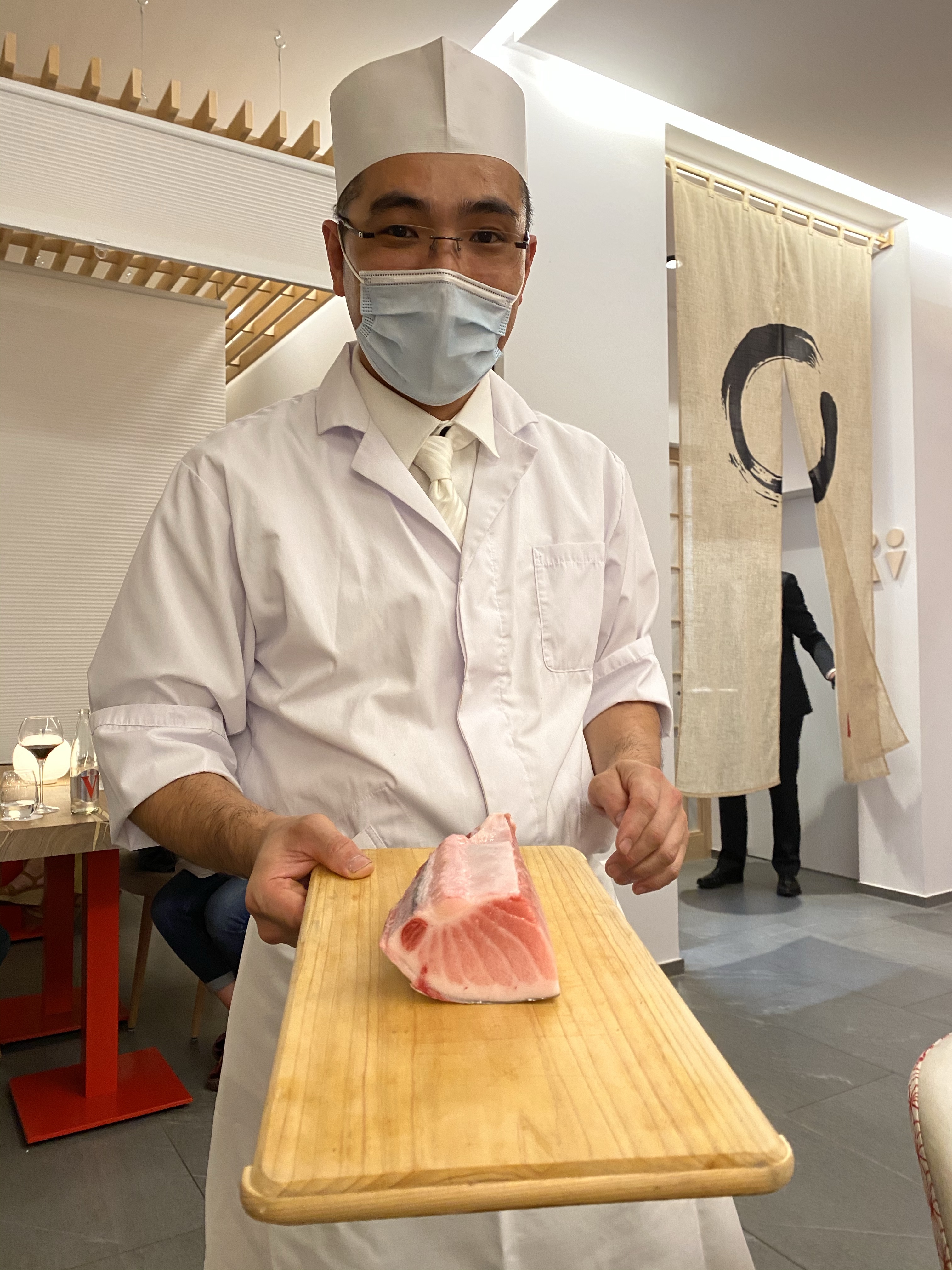
Except for London, it’s always a challenge to find proper Japanese fine dining in Europe. Luxembourg has had to live with mediocre sushi restaurants, often prepared by non-Japanese chefs and with Western styled flavours. This has finally changed with the opening of Ryodo by chef Ryodo Kajiwara.

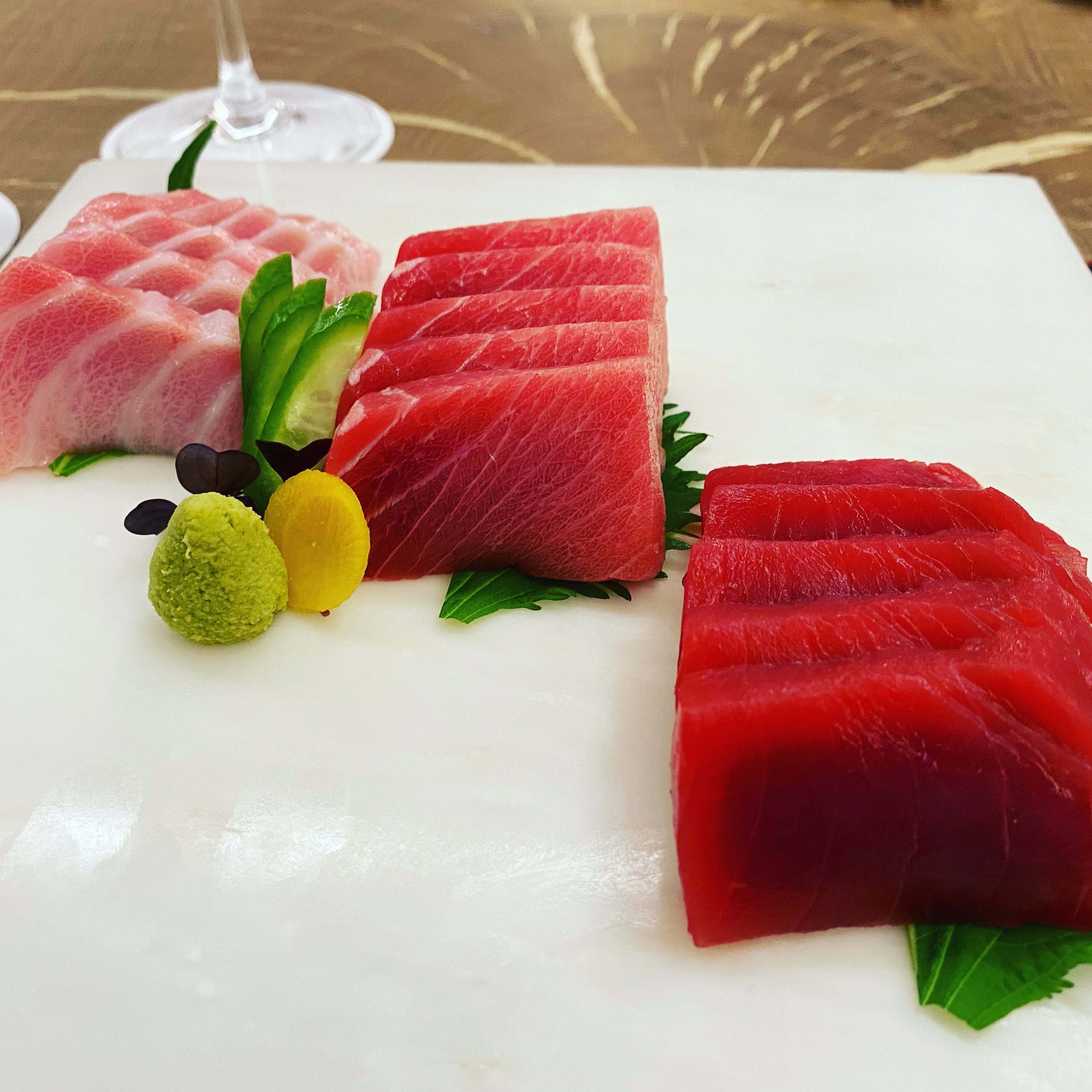
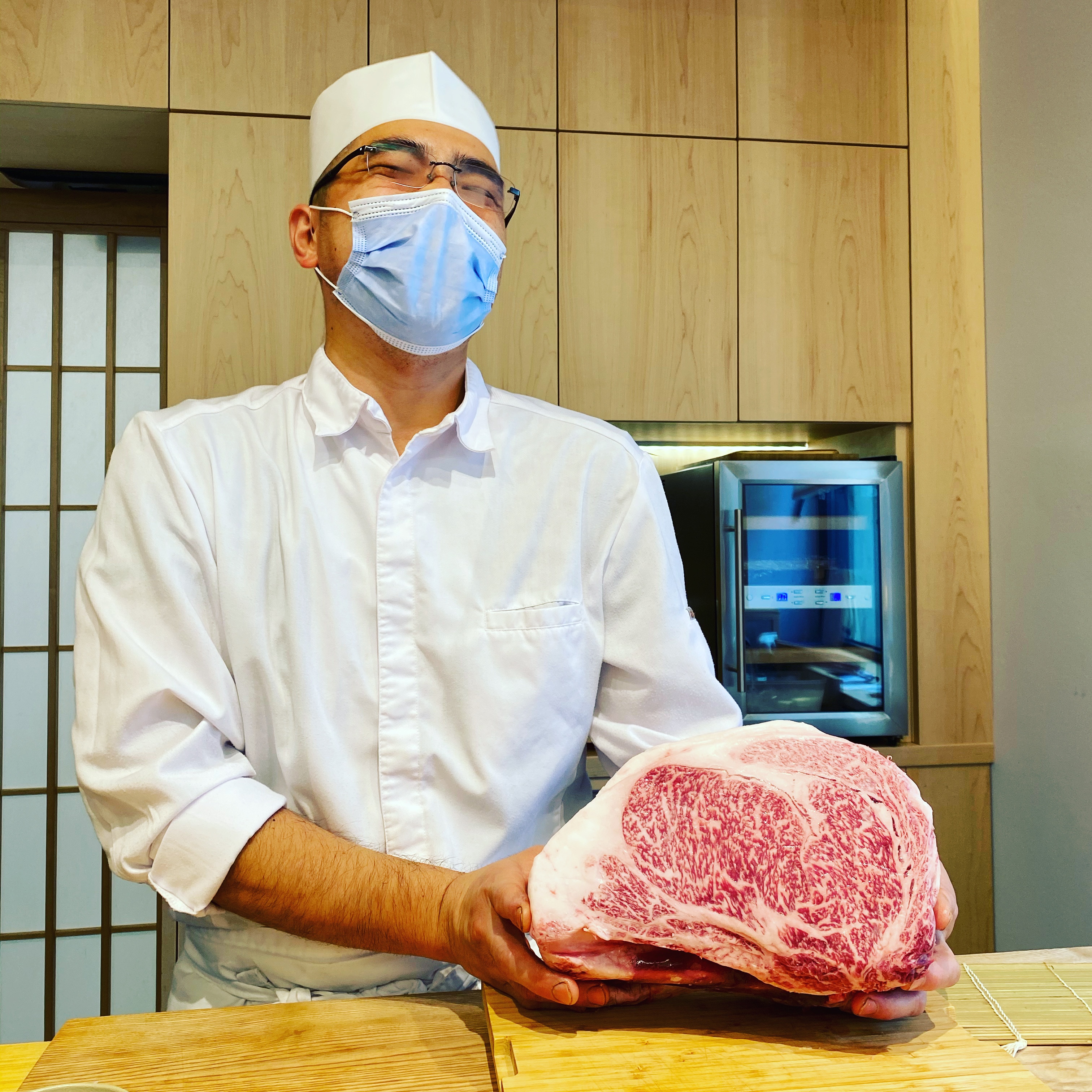
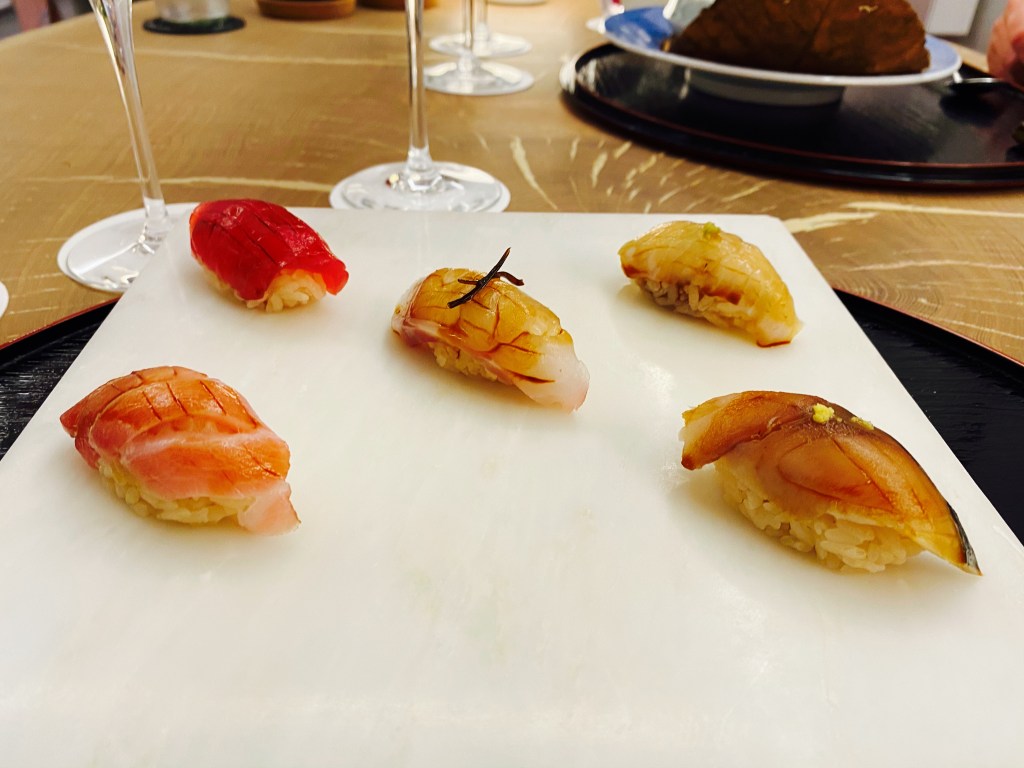
Ryodo used to work at the 1* French restaurant Clairefontaine in Luxembourg before setting up his own place in the quiet and residential area of Merl (Luxembourg City). The restaurant interior has been beautifully refurbished with extreme attention to detail, transforming it into a cosy fine dining temple, offering place to some 30 guests. There is also a counter where Ryodo San prepares the sushis and sashimis, with a limited number of counterseats, currently unavailable due to Corona restrictions.

There is a choice of à la Carte and set menus, including a tasting menu, an all sushi menu and a vegeterian menu, ranging from 59 EUR to 87 EUR. For lunch there is a really nice Bentobox option at 37 EUR. On the wine and saké list, there’s a nice selection of beverages to accompany your meal. Needless to say that the carefully chosen sakés are the best match here.

Ryodo San is not only a highly skilled chef, he is also obsessed by the quality of his ingredients. Always looking for the best, he just will not settle for anything less. A5 Wagyu, beautiful fish and seafood…what else could one wish for? Ryodo San transforms all these top notch ingredients in absolutely delicious dishes, based on the highest standards and traditions of Japanese cooking.

In the pastry section, we are treated to highly refined desserts, elegantly combining Japanese and French influences.

Needless to say that this restaurant has quickly become a new hotspot in Luxembourg. I am convinced that this will also be like this for a very long time to come. Ryodo San has just started his promising culinary journey with his restaurant and no doubt that the future looks very bright for this talented chef!

Main Home v4

Michelin UK and Ireland 2020: My oh my…what happened…

I had hope. I saw (again) the pure emotion and joy of some of the chefs who genuinely expressed pride and gratitude for the recognition they got for their hard work and dedication in their own little restaurant. And then we came to 2* and 3* and then they fu@ing ruined the whole bloody thing!!!!! 😭😭😭😭😭😭😭

https://news.michelin.co.uk/great-britain-and-ireland-michelin-stars-unveiled/